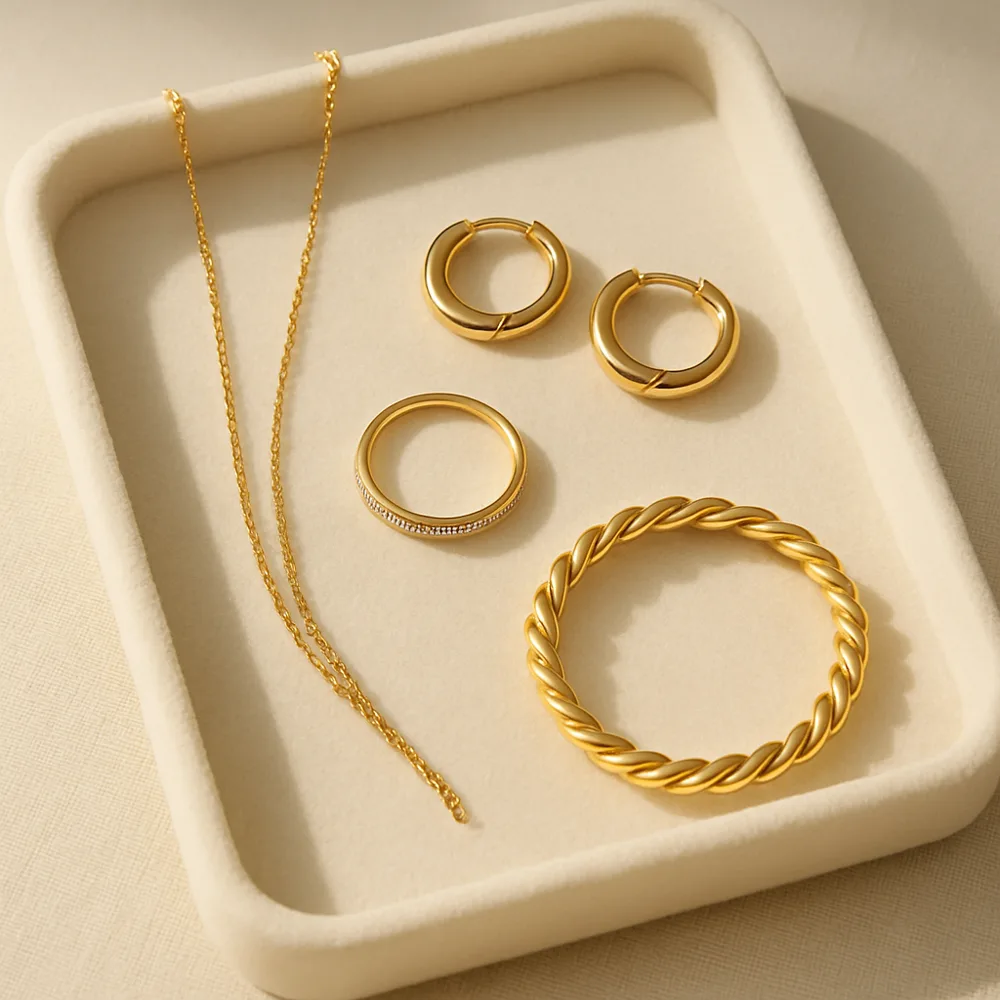
Jewelry is easier to protect when you notice which activities put it at risk. Remove pieces before swimming, showering, exercising, cleaning, or applying products when the care instructions recommend it. Water, sweat, chemicals, friction, and sudden movement may affect some materials or finishes. A simple habit of taking jewelry off first can prevent avoidable wear.
Consider comfort and safety as well as appearance. Rings or bracelets may catch during hands-on tasks, while long earrings can snag on clothing or equipment. Follow workplace or activity-specific safety rules, especially around machinery, sports, or food preparation. If a piece interferes with movement or attention, put it somewhere secure until the activity is finished.
Choose one safe place for jewelry when you remove it, such as a small dish away from sinks and counters. Dry pieces before storing them and keep delicate items separate. Not every piece has the same care needs, so use its material information as a guide. Building a consistent routine makes it less likely that jewelry will be misplaced or worn in conditions that shorten its life.
Everyday Moments That Are Easy to Overlook
Swimming and workouts are obvious times to remove jewelry, but many small daily routines are just as hard on finishes and settings. Paying attention to these quieter moments often makes the biggest difference for affordable pieces, especially plated or coated ones.
Getting ready in the morning
Lotions, perfume, hairspray, sunscreen and makeup can leave a film on metal and stones, and some ingredients may dull plating over time. A useful rule is last on, first off: finish your skincare, fragrance and hair styling, let everything dry, then put your jewelry on. At the end of the day, take pieces off before removing makeup or washing your face.
Household tasks
Washing dishes, scrubbing surfaces, gardening and handling cleaning sprays combine water, grit and chemicals in one go. Rings are most exposed, since soil and soap can collect under settings and abrasive surfaces can scratch softer metals or stones. Slipping rings and bracelets off before you start, and putting them straight into your chosen dish, avoids the classic mistake of leaving them beside the sink.
Sleeping
Necklaces can twist and tangle overnight, delicate chains may kink, and earrings with posts or hooks can press uncomfortably or bend. Removing most pieces before bed also gives you a natural moment to check clasps and backs for looseness. If you like wearing layered chains, our guide on layering necklaces without tangles has tips for storing them separately.
Carrying and lifting
Heavy shopping bags, luggage and gym-style lifting can press rings against handles, bending thin bands or loosening prongs. Even a short trip carrying something heavy is worth a quick pause to pocket a ring safely, ideally in a small pouch rather than loose.
Travel and busy days
Hotel sinks, airport security trays and changing rooms are common places for pieces to go missing. Wearing fewer items on travel days, and keeping a small zipped case in your bag, makes removal simple wherever you are.
When choosing new pieces, think about how often you will need to take them off. Items you can wear through most of your routine are often the best value, a point covered in our guide to building an affordable everyday collection.