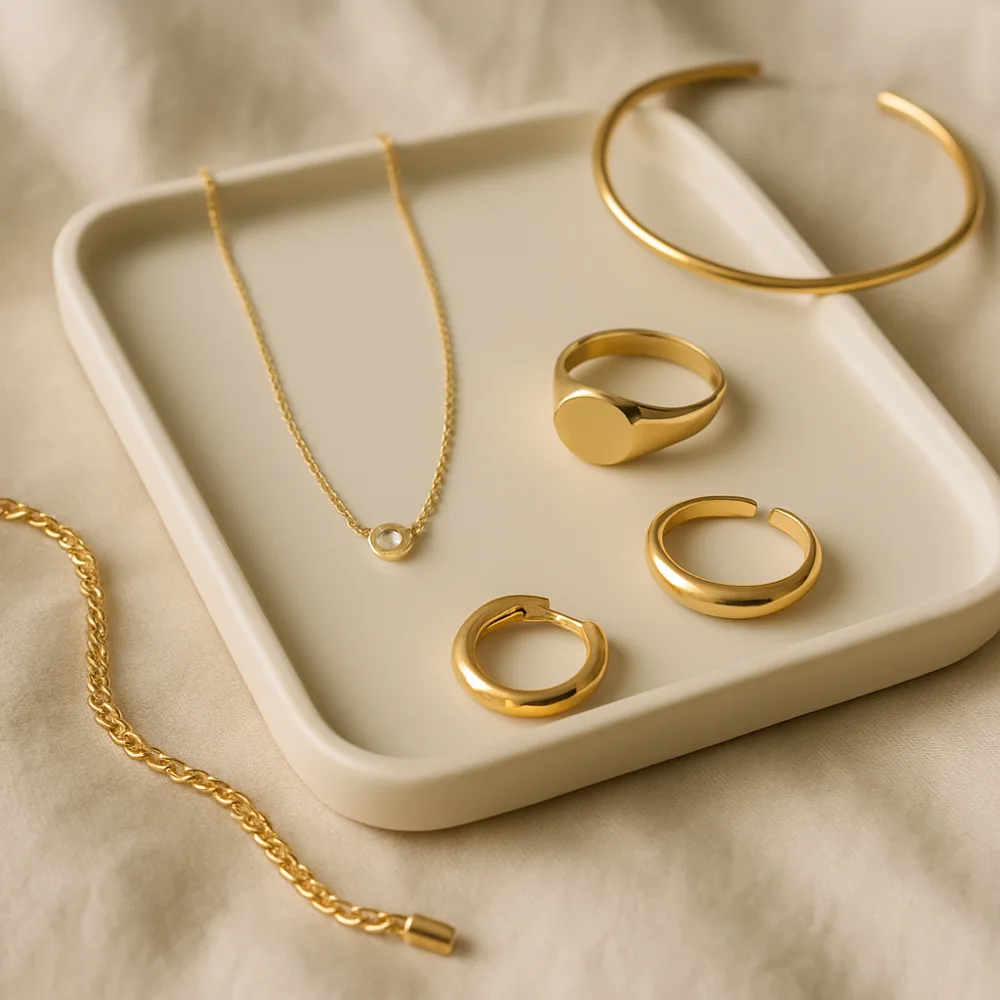
Thoughtful shopping starts with a reason for adding a piece. Perhaps you need comfortable earrings for everyday wear, a necklace that suits a favorite neckline, or a gift in a style someone already enjoys. A clear purpose makes it easier to compare options and avoid buying something simply because it is featured prominently or feels urgent.
Look at the details that affect use: material, dimensions, weight when available, closure, and care instructions. Consider whether the item suits your sensitivity, activities, and wardrobe. Read return or exchange terms before ordering, especially for sizes and items with restrictions. If the description leaves important questions unanswered, ask before purchasing.
Give yourself time to decide. Save the item, compare it with pieces you own, and think of several occasions when you would wear it. There is no need for every purchase to be an investment or a perfect match for all outfits. A comfortable, well-described piece that fits your habits and brings you joy is a more thoughtful choice than an item bought in a hurry.
Questions to Ask Before You Commit
Once a piece has passed the first test of purpose, a few practical questions help separate a good buy from one that ends up forgotten in a drawer. Start with what you already own. Lay out your most-worn jewelry and notice what it has in common: the metal tone, the scale, the length of chains, the kind of earring backs you reach for. If a new item clashes with all of it, ask whether you are ready to build a second set of pieces around it, or whether it will sit alone.
Think in cost per wear
A modest price is not automatically a bargain, and a higher one is not automatically wasteful. Divide the price by the number of times you realistically expect to wear the piece. A simple pair of studs worn most days can work out cheaper over a year than a statement necklace worn twice. This way of thinking also helps when choosing between plated and solid metals: plating can wear through with daily contact, so for pieces you will wear constantly, a more durable material may be the calmer choice. Our guide to building an affordable everyday collection covers which basics tend to earn their place.
Read the description like a checklist
- Metal and finish: is the base metal named, and is any plating described?
- Size: are chain length, pendant size or hoop diameter given in measurements rather than words like "small"?
- Fastenings: lobster clasps and secure earring backs are easier to trust than loose hooks.
- Photos: look for images on a person or beside an object for scale.
For earrings specifically, our notes on what to check before buying budget earrings go into more detail.
Plan for the life of the piece
Thoughtful shopping continues after delivery. Keep the packaging until you are sure the item suits you, try it on with the outfits you had in mind, and store it so chains do not knot and surfaces do not scratch. A piece that is cared for from the first day is far more likely to become one you wear for years.